Why Use Face Mask? Understanding the Benefits for Your Skin
Discover the Angance Purifying & Rebalancing Face Mask with activated charcoal, Umbrian clay and gold leaf for clearer, fresher-looking skin.
Why Use a Face Mask? Understanding the Benefits for Your Skin
Face masks can be more than an occasional beauty ritual. Depending on their ingredients and format, they can help address concerns such as excess sebum, dryness, dullness, dehydration and the appearance of pores.
Hydrate
Soothe
A face mask is not a replacement for your skincare routine. It is a targeted step within it.
Cleansing, moisturising and daily sun protection generally form the foundation of a skincare routine. A mask can be added when the skin needs a more focused treatment.
The important point is that not every mask does the same thing. A hydrating mask and a purifying mask are designed around different skin needs, which is why choosing the right type matters.
for changing
skin needs
What does a face mask actually do?
Face masks are skincare treatments designed to remain on the skin for a limited period of time. Their effect depends largely on the formulation.
Some are formulated to provide moisture, some to absorb excess sebum and impurities, while others are intended to soothe the appearance of stressed skin or improve the look of radiance.
This makes masks particularly useful when you want to add a treatment-focused step without changing your entire skincare routine.
What Are the Benefits of Using a Face Mask?
Helps Address Excess Sebum
Purifying masks can be useful for skin that tends to become oily or shiny. Ingredients designed to absorb excess sebum can help the complexion appear fresher and less greasy.
Helps Remove Impurities
Certain mask formulations can help remove or absorb surface impurities, making them useful when skin feels congested or looks less clear.
Supports a Smoother Appearance
Depending on the formula, a mask can temporarily improve the appearance of skin texture and leave the complexion feeling smoother after treatment.
Adds Targeted Hydration
Hydrating masks can provide an additional moisture-focused step when the skin feels dry, tight or dehydrated.
Can Soothe the Look of Skin
Masks containing soothing ingredients can be useful when the complexion looks tired, uncomfortable or temporarily stressed.
Creates a Consistent Ritual
Beyond individual ingredients, a mask can encourage you to slow down and give your skincare routine a dedicated treatment moment.
Different Masks, Different Skin Needs
Purifying Masks
Often formulated with ingredients such as clay or charcoal, purifying masks are generally chosen by people concerned with excess sebum, shine and the appearance of congestion.
Hydrating Masks
These focus on adding a moisture-oriented step to the routine. They can be particularly appealing when skin feels dry, tight or lacking comfort.
Soothing Masks
Soothing formulations are designed around ingredients selected to support a more comfortable-looking complexion and are often considered when skin appears stressed.
Brightening Masks
Brightening-focused treatments are generally used when the complexion looks dull or uneven and you want to add a radiance-focused step to your routine.
Choose the Mask According to What Your Skin Needs
The best mask is not necessarily the most popular one. The better approach is to look at your current skin concern and choose a formulation designed around that need.
Excess Shine
Consider a purifying formulation that focuses on excess sebum and impurities rather than adding unnecessary richness.
Dry or Tight Skin
A hydration-focused mask may be more appropriate when the complexion feels dry, tight or uncomfortable.
Dull Appearance
Look for treatments designed around radiance and smoother-looking skin when your complexion appears tired or lacklustre.
Visible Pores
Purifying and texture-focused treatments may help improve the appearance of pores, particularly when excess sebum contributes to their visibility.
Congested Feeling
A targeted purifying mask can become an occasional treatment when the skin feels heavy or looks less clear.
Tired-Looking Skin
A short treatment ritual can give the complexion a fresher, more cared-for appearance without requiring a complicated routine.
Ingredients Commonly Found in Purifying Masks
Activated Charcoal
Activated charcoal is known for its absorbent properties and is commonly included in formulations designed around impurities, excess sebum and a cleaner-looking complexion.
Clay
Different clays are frequently used in purifying skincare. Their mineral composition and absorbent properties make them useful ingredients in formulations designed for oily or combination skin.
Soothing Actives
Some masks combine purifying ingredients with soothing components to create a more balanced treatment rather than focusing exclusively on oil absorption.
How to Use a Face Mask in Your Skincare Routine
Cleanse First
Begin with clean skin. Removing everyday surface impurities first gives the mask a cleaner starting point.
Apply the Right Amount
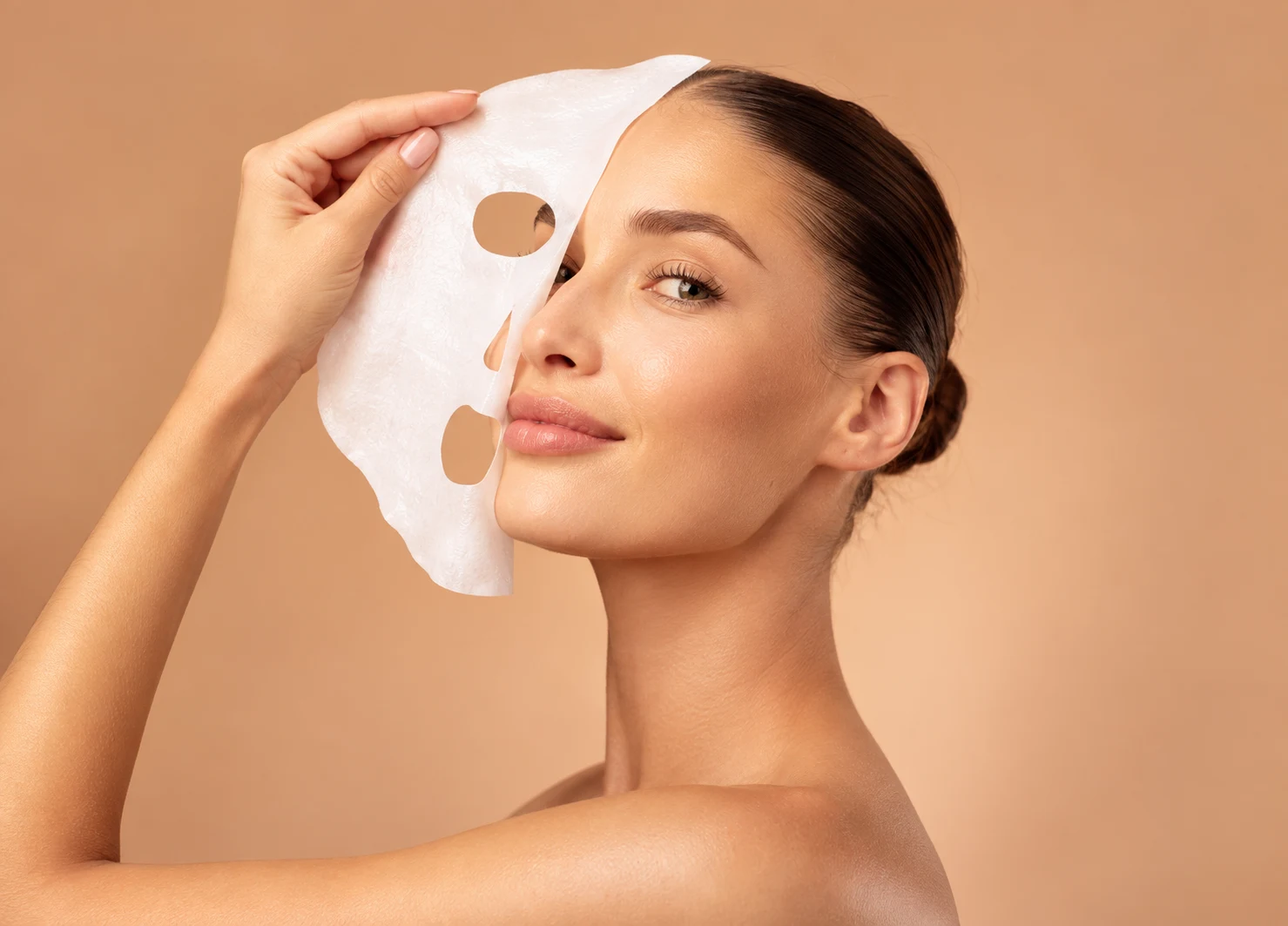
Follow the product instructions and apply the mask evenly. Sheet masks should sit comfortably against the skin.
Follow the Recommended Time
More time does not necessarily mean better results. Follow the specific instructions provided with the mask.
Complete Your Routine
After removing the mask, continue with the remaining steps of your normal skincare routine as appropriate.
There is no universal “best” frequency for every mask.
A gentle hydrating mask may fit comfortably into a regular routine, while a stronger purifying treatment may be better used when needed. Always follow the directions provided with the individual product.
If your skin becomes persistently dry, irritated or uncomfortable, reduce use and reassess whether the formulation suits your routine.
Purifying &
Rebalancing Face Mask · 25 ml × 10
Where does a purifying sheet mask fit into this?
One example is the Angance Purifying & Rebalancing Face Mask, available through Luxamour.
Rather than being a general-purpose mask, it is positioned around purification and rebalancing. Its formula highlights activated charcoal, Umbrian clay and gold leaf, while the ultra-fine sheet format is designed to deliver a concentrated serum treatment.
- Designed around excess sebum and impurities
- Helps improve the appearance of pores and skin texture
- Intended to reduce the appearance of shine
- Includes soothing and rebalancing positioning
- Fragrance-free
- 25 ml × 10 masks
Shortlisted for The Beauty Awards 2026
The Angance Purifying & Rebalancing Face Mask has also been shortlisted for The Beauty Awards 2026. While an award shortlist does not replace understanding the formula or your own skin needs, it provides useful context when discovering the product.
More Skincare & Beauty from Luxamour
Angance Purifying & Rebalancing Face Mask
Explore the complete product information, format and details of this targeted purifying treatment.
Explore Product → DiscoverExplore Luxamour Beauty
Browse the wider selection of beauty products and discover treatments for different skincare needs.
Explore Products → Beauty JournalRead More Skincare Guides
Continue exploring beauty education, skincare routines, ingredients and product-focused editorial content.
Visit the Journal →Choose the Treatment Your Skin Actually Needs
The best skincare routine is not necessarily the longest one. Understanding whether your skin needs hydration, purification, soothing care or radiance support can help you choose treatments more thoughtfully.
Explore Luxamour Beauty →FAQ — Face Masks & Skincare
What are the main benefits of using a face mask?
Depending on its formulation, a face mask can help address concerns such as excess sebum, impurities, dryness, dehydration, dullness, visible pores and the appearance of stressed skin.
Can face masks help with oily skin?
Purifying masks are commonly formulated for skin that experiences excess sebum or shine. Ingredients such as charcoal and clay are frequently used in these formulations because of their absorbent properties.
How often should I use a face mask?
There is no single frequency that works for every mask. It depends on the formulation, your skin type and the manufacturer's directions. Follow the recommended usage for the specific product.
Should I cleanse before applying a face mask?
In general, applying a mask after cleansing provides a clean starting point for the treatment. Always follow the directions provided with the individual product.
Are all face masks suitable for every skin type?
No. Different masks are formulated around different concerns. A purifying mask may be more relevant to oily or combination skin, while a hydrating mask may be more appropriate when skin feels dry.
What ingredients should I look for in a purifying mask?
Common ingredients include activated charcoal and different types of clay. Some formulations also combine purifying ingredients with soothing or rebalancing ingredients.
What is a sheet mask?
A sheet mask is a pre-shaped sheet designed to sit directly against the face while delivering a serum or essence-based formulation. The sheet helps keep the treatment in close contact with the skin during use.
Is the Angance Purifying & Rebalancing Face Mask suitable for oily skin?
The Angance mask is specifically positioned for combination to oily skin and shine-prone areas, while the product information describes it as suitable for all skin types.
Skincare Works Best When You Understand Your Skin
Face masks can be a useful addition to a skincare routine when they are selected according to what your skin needs. Whether the goal is hydration, purification, soothing care or a fresher-looking complexion, the formulation matters more than simply adding another step.
Discover More from the Beauty Journal →